
Are Harnesses Better Than Collars for Small Dogs? What Every Pet Parent Should Know:

If you've ever walked a small dog, you've probably experienced the classic standstill: your dog suddenly stops walking and refuses to budge.
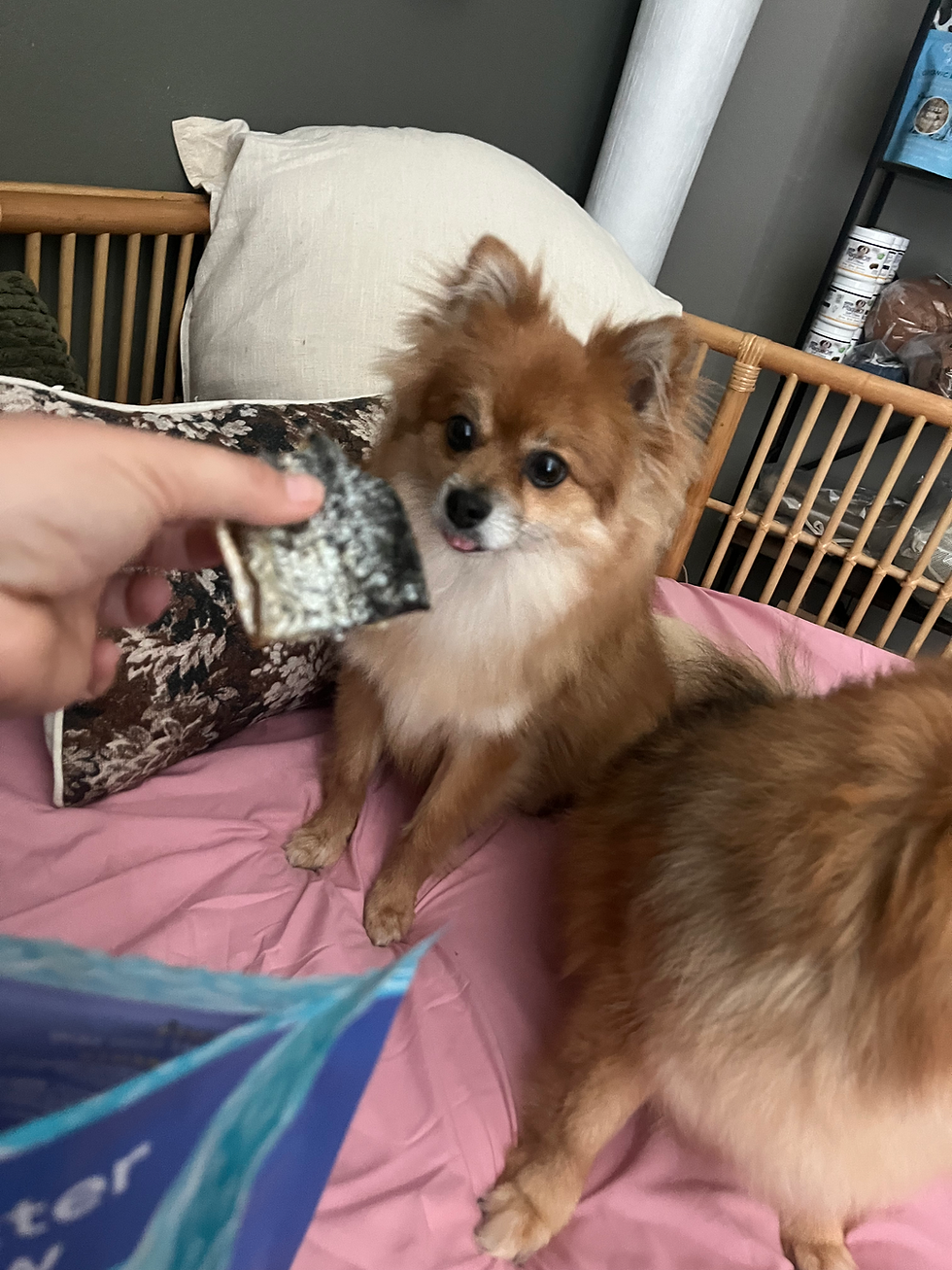
Recently, I watched a video of a Pomeranian wearing a collar who didn't want to continue their walk. The owner wasn't doing anything wrong—they were simply giving a gentle tug on the leash to encourage the dog forward. But it reminded me of an important topic that many pet owners don't think about until a problem develops:
Are harnesses better than collars for small dogs?
For many small breeds, the answer is yes.
Why Collars Can Be Risky for Small Dogs
Collars are convenient and perfectly suitable for holding identification tags. However, when a leash is attached to a collar, all pulling pressure is directed toward a dog's neck and throat.
This can become problematic for small breeds because their necks and airways are more delicate than those of larger dogs.
Even a gentle tug can place pressure on sensitive structures in the neck, especially if a dog suddenly pulls, lunges, or refuses to move during a walk.
Some potential concerns include:
Neck strain
Throat irritation
Increased coughing
Breathing discomfort
Aggravation of existing respiratory conditions
This is one reason many veterinarians and trainers recommend harnesses for small dogs.
Understanding Tracheal Collapse in Small Dogs
One of the most common health concerns in toy breeds is tracheal collapse.
The trachea, or windpipe, is supported by rings of cartilage that help keep the airway open. When these rings weaken, the airway can partially collapse, making it harder for a dog to breathe comfortably.
Breeds that may be predisposed to tracheal collapse include:
Pomeranians
Chihuahuas
Yorkshire Terriers
Maltese
Toy Poodles
Shih Tzus
A common symptom is a dry, honking cough that often becomes more noticeable during excitement, exercise, or pressure on the throat.
While collars do not directly cause tracheal collapse, repeated pressure on the neck can worsen irritation and may contribute to discomfort in dogs already prone to airway issues.
Benefits of Using a Harness for Small Dogs
A properly fitted harness distributes pressure across the chest, shoulders, and upper body instead of concentrating it on the neck.
Benefits of harnesses include:
Better Protection for the Neck and Throat
Harnesses reduce pressure on sensitive airway structures, making walks more comfortable for many small breeds.
Improved Control During Walks
If your dog becomes excited, startled, or stubborn, a harness gives you more control without putting strain on the neck.
Greater Comfort
Many dogs simply seem more comfortable wearing a well-fitted harness, especially those that tend to pull or resist walking.
Reduced Risk of Injury
Unexpected movements happen. A squirrel runs by. A loud noise startles your dog. A harness helps distribute force more safely if your dog suddenly lunges or changes direction.
Harness vs. Collar: Which Is Best?
For most small dogs, the ideal solution is actually both.
A collar can hold identification tags and license information, while a harness is used for walks and leash attachment.
This approach allows your dog to keep important identification on them while reducing neck strain during daily activities.
How to Choose the Right Harness
Not all harnesses fit the same.
When selecting a harness for your dog, look for:
Adjustable straps
A snug but comfortable fit
Freedom of movement in the shoulders
Durable materials
Secure buckles and attachments
You should be able to fit two fingers comfortably between the harness and your dog's body.
A harness that is too loose can allow escape, while one that is too tight may cause discomfort.
Final Thoughts
Watching that Pomeranian refuse to walk was a simple reminder that many everyday situations can put unnecessary pressure on a small dog's neck.
Most pet owners use collars because they're convenient and because that's what they've always done. But for many small breeds, a harness can be a safer and more comfortable choice.
Every dog is different, and it's always best to speak with your veterinarian if you have concerns about your dog's airway health or walking equipment.
At Pure Paws, we believe that informed pet parents make the best decisions for their furry family members. Whether you're choosing treats, toys, or walking gear, small changes can make a big difference in your dog's comfort and well-being.
Comments