
How to Help Prevent Bloat in Dogs: Warning Signs Every Owner Should Know
- Pure Paws
- Jul 1
- 4 min read

As a Certified Pet Nutrition Coach and lifelong dog lover, I know how quickly a dog's health can change. One condition that has always stayed with me is bloat.
When I was growing up, my family lost one of our beloved dogs to bloat. He was a Shar-Pei who had been part of our family long before I was born and lived a wonderful 13 years. We never knew exactly what caused it, and everything happened so quickly. Losing him was heartbreaking, and it taught me just how important it is to recognize the signs of this life-threatening condition.
The good news is that while bloat can't always be prevented, understanding the risk factors and knowing what to watch for can help you act quickly if it ever happens.
What Is Bloat?
Bloat, also known as Gastric Dilatation-Volvulus (GDV), is one of the most serious medical emergencies a dog can experience.
It begins when the stomach fills with gas, food, or fluid and becomes enlarged. In some cases, the stomach then twists on itself, trapping the contents inside and cutting off blood flow to the stomach and other vital organs. This twist is what makes GDV so dangerous.
Without immediate veterinary treatment, GDV can become fatal within just a few hours.
Which Dogs Are Most at Risk?
Although any dog can develop bloat, certain breeds and characteristics increase the risk.
Dogs that may be more susceptible include:
Great Danes
German Shepherds
Standard Poodles
Weimaraners
Irish Setters
Doberman Pinschers
Shar-Peis
Saint Bernards
Bloodhounds
Other risk factors include:
Deep, narrow chests
Being older in age
Having a close relative that experienced bloat
Eating one large meal each day
Eating or drinking very quickly
Stress or anxiety around mealtime
Even if your dog isn't on this list, it's still important to know the warning signs. Bloat can happen to dogs of any breed or size.
Signs of Bloat in Dogs
Because bloat progresses rapidly, recognizing the symptoms can save your dog's life.
Watch for:
A swollen or tight abdomen
Repeated attempts to vomit with nothing coming up
Excessive drooling
Restlessness or pacing
Whining or signs of discomfort
Panting
Weakness
Pale gums
Collapse
If you notice these symptoms, do not wait to see if they improve. Contact your veterinarian or the nearest emergency animal hospital immediately. Every minute counts.
Can You Prevent Bloat?
Unfortunately, there is no guaranteed way to prevent bloat. However, several habits may help reduce your dog's risk.
Feed Smaller Meals
Instead of offering one large meal each day, divide your dog's food into two or three smaller meals. Smaller meals place less strain on the stomach and may help reduce the risk of excessive stomach expansion.
Slow Down Fast Eaters
Dogs that gulp their food tend to swallow more air while eating.
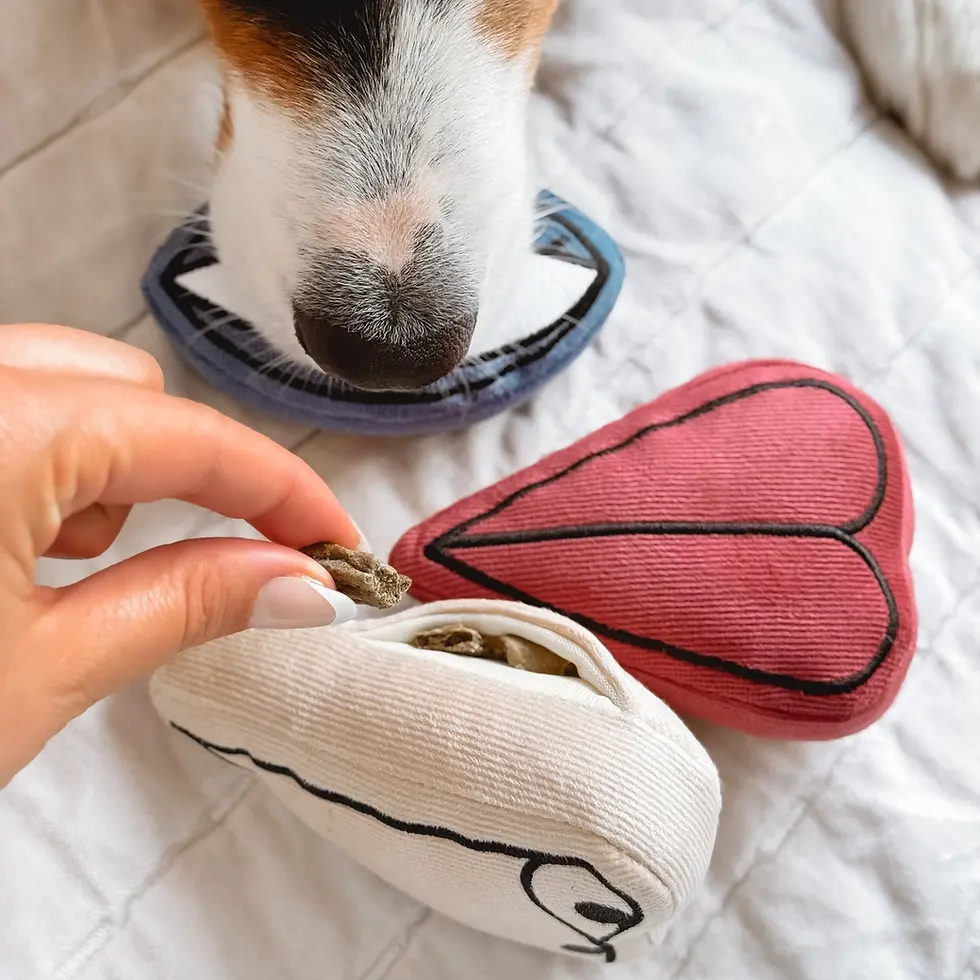
You can help slow them down by using:
Slow-feeder bowls
Puzzle feeders
Snuffle mats
Scatter feeding in the yard or on a clean floor
Not only do these methods encourage slower eating, but they also provide valuable mental enrichment.
Avoid Intense Exercise Around Mealtime
It's generally recommended to avoid vigorous activity immediately before and after meals.
A good rule of thumb is to:
Avoid strenuous exercise for about one hour before eating.
Wait at least one to two hours after eating before running, rough play, or long walks.
Gentle walking is usually fine, but save the zoomies for later.
Create a Calm Mealtime Environment
Stress may play a role in some cases of bloat.
If you have multiple dogs, consider feeding them separately if they tend to compete for food. Keeping mealtimes calm and predictable can encourage slower, more relaxed eating.
Discuss Preventive Gastropexy With Your Veterinarian
For breeds at particularly high risk, your veterinarian may recommend a preventive procedure called a gastropexy.
During this surgery, the stomach is attached to the abdominal wall to help prevent it from twisting. While this procedure does not prevent the stomach from filling with gas, it significantly reduces the risk of the dangerous twisting that occurs with GDV.
Many veterinarians perform a gastropexy at the same time as a spay or neuter in high-risk breeds.
Common Myths About Bloat
Myth: Raised food bowls prevent bloat.
Current research does not support the idea that elevated bowls prevent bloat. In fact, some studies have suggested they may increase the risk in certain dogs. Unless your veterinarian recommends one for another medical reason, elevated bowls should not be used specifically to prevent bloat.
Myth: Only giant breeds get bloat.
While giant and deep-chested breeds have the highest risk, dogs of any breed or size can develop bloat.
Myth: If my dog burps or passes gas, it can't be bloat.
Not true. Dogs with bloat often cannot relieve the pressure inside their stomach. If your dog shows signs of bloat, treat it as an emergency regardless of whether they have passed gas.
When Every Minute Matters
One of the hardest parts about bloat is how quickly it develops. A dog can appear perfectly normal one moment and become critically ill the next.
That's why I encourage every dog owner to familiarize themselves with the symptoms before an emergency ever happens. Acting quickly could save your dog's life.
Final Thoughts
Losing our Shar-Pei to bloat was one of the most difficult experiences my family has gone through. Even years later, I still wish we had known more about this condition and whether there was anything we could have done differently.
While there are no guarantees, educating yourself is one of the best ways to protect your dog. Learning the warning signs, practicing healthy feeding habits, and having a plan for veterinary emergencies can make all the difference.
Our dogs give us unconditional love every single day. The least we can do is be prepared when they need us most.
Disclaimer: This article is intended for educational purposes only and should not replace professional veterinary advice. If you suspect your dog is experiencing bloat or any other medical emergency, seek immediate veterinary care.
Comments