
How to Treat Separation Anxiety in Dogs

When Your Dog Notices Every Little “Leaving Cue”
If you have a dog with separation anxiety, you know how heartbreaking it can be. Some dogs become anxious the second they notice signs that you’re about to leave — even before you touch the door handle.
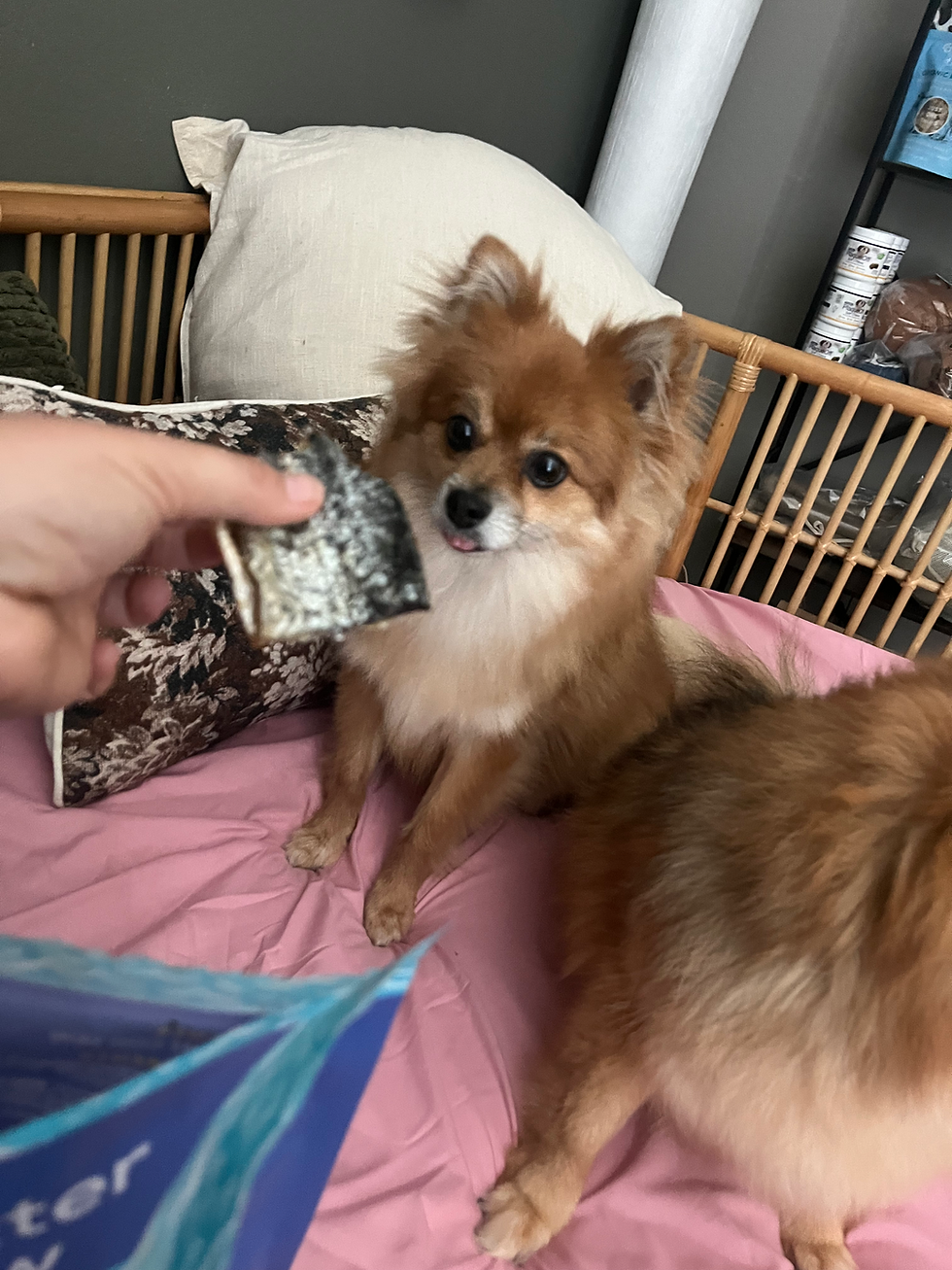
My eldest Pomeranian, Mozzi, has struggled with separation anxiety her whole life. She’s incredibly smart, which honestly makes it harder sometimes because she notices everything.
Over time, she learned to associate certain routines with us leaving the house:
Me changing out of my pajamas in the morning
My husband turning off his Xbox
Putting shoes on
Picking up car keys
The moment one of those things happens, her entire body changes. She becomes alert, anxious, clingy, barks and starts preparing herself emotionally for us to leave.
If your dog does this too, you’re not alone.
Why Dogs React to “Leaving Cues”
Dogs are masters at pattern recognition.
They don’t think:
“Mom is leaving for work.”
They think:
“Shoes + keys + morning routine = I’m about to be alone.”
Over time, these little routines become emotional triggers. Eventually, some dogs begin panicking before you’ve even left the house.
This is especially common in highly attached, intelligent dogs.
What Helped Us Start Reducing Anxiety
1. Breaking the Pattern
One thing that can help is teaching your dog that these cues don’t always mean you’re leaving.
For example:
Put your shoes on and then sit on the couch
Pick up your keys and walk to the kitchen instead
Turn off the TV or Xbox without leaving
Get dressed and continue your normal morning at home
At first, your dog may still react. But over time, these actions become less emotionally charged because they no longer predict separation every single time.
2. Staying Calm During Departures
I used to unintentionally make leaving feel emotional by giving lots of reassurance before walking out the door.
But anxious dogs often feed off our energy.
Now, we try to:
Keep departures calm and casual
Avoid long goodbyes
Leave without creating a dramatic moment
The goal is to make leaving feel boring and routine.
3. Building Confidence Slowly
Dogs with separation anxiety usually need confidence-building in very small steps.
Sometimes that means:
Leaving for only a minute or two
Returning calmly
Slowly increasing alone time over weeks
Progress is rarely linear, but consistency matters more than perfection.
4. Supporting Their Environment
Creating a calm environment can also help dogs feel safer when alone.
Things many owners try include:
Cozy blankets
White noise or calming music
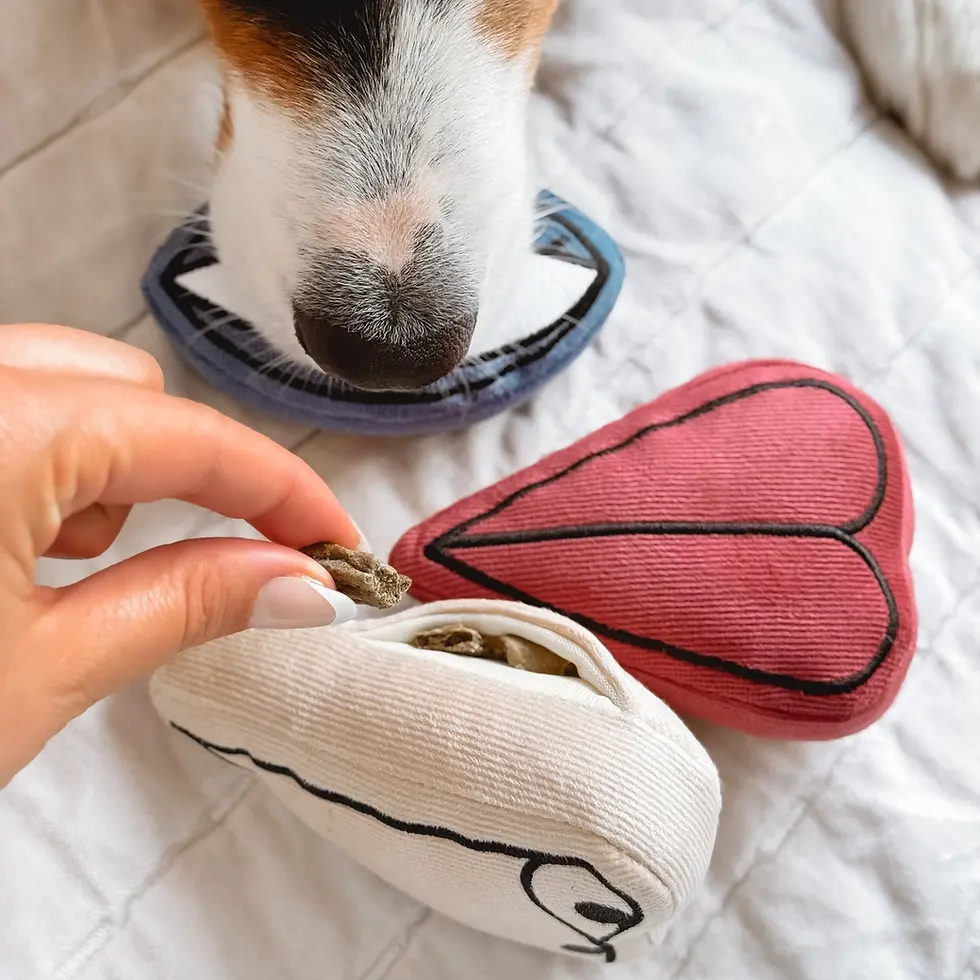
Enrichment toys or lick mats
A predictable routine
Mental stimulation before leaving
For Mozzi, comfort and routine make a huge difference.
Separation Anxiety Isn’t “Bad Behavior”
This is something I think more dog owners need to hear: Dogs with separation anxiety are not manipulative or dramatic.
They’re distressed.
Our dogs trust us completely, and some simply struggle more with being alone than others do.
Patience, consistency, and understanding go a long way.
Final Thoughts
Living with a dog who has separation anxiety can feel emotionally exhausting sometimes — especially when they notice every tiny cue that signals you might leave.
But small changes can make a difference over time.
If you’re going through this too, know that you’re not alone. And your dog isn’t trying to make your life difficult — they just love you deeply and feel safest when you’re near.
Comments