
Human Foods That Are Surprisingly Dangerous for Dogs
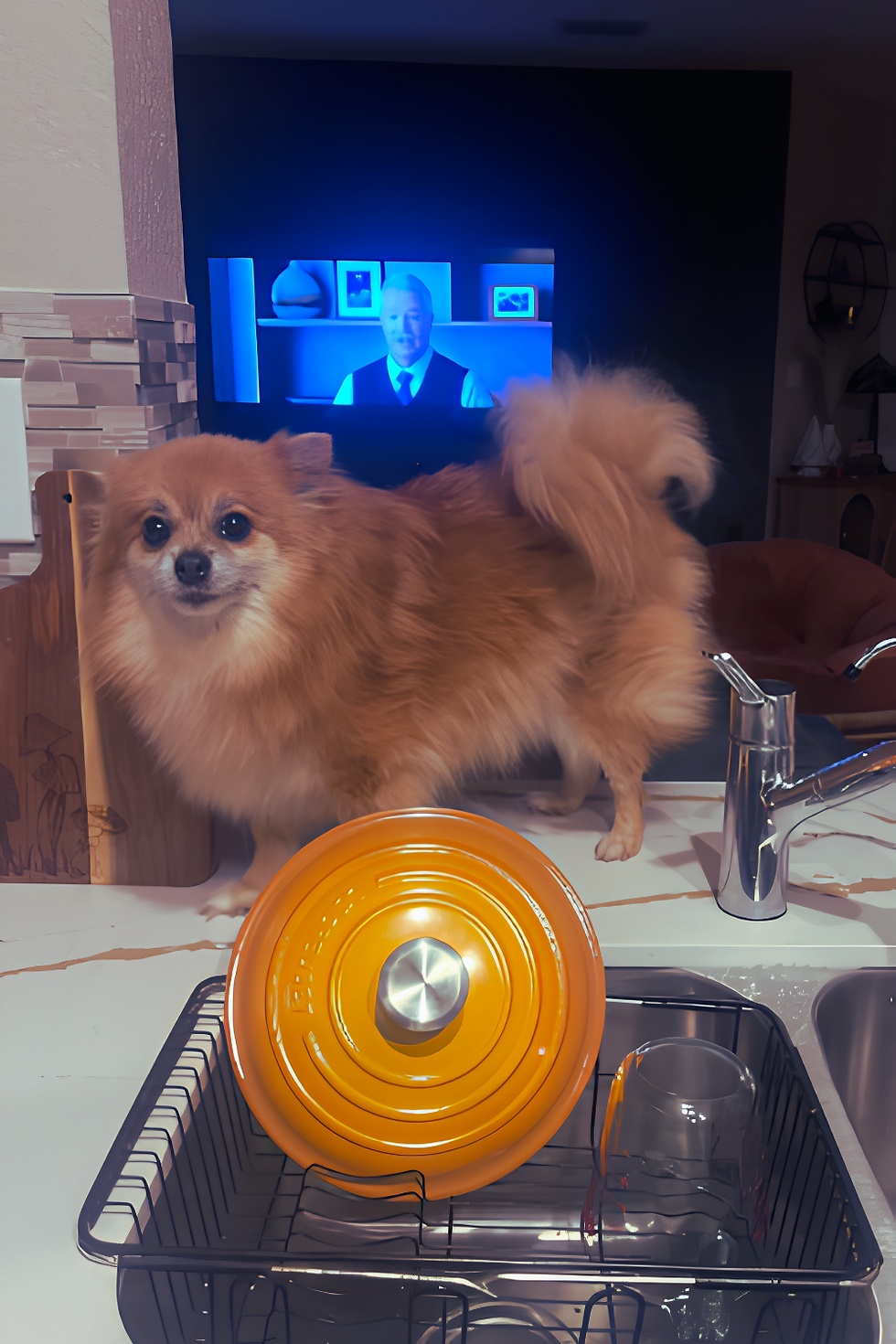
We know those puppy eyes can make it almost impossible not to share a bite of your favorite snack. But while some human foods seem harmless, certain everyday ingredients can actually be toxic - and even dangerous - for our furry best friends.
Before slipping your pup a quick treat from the kitchen, here are some surprisingly harmful foods every dog parent should know about. 🐾
🍇 Grapes & Raisins
Even small amounts of grapes or raisins can cause sudden kidney failure in dogs. What makes them especially dangerous is that there’s no “safe” amount — some dogs can become seriously ill after eating just a few.
Signs of toxicity:
Vomiting
Lethargy
Loss of appetite
Increased thirst
Kidney failure
If your dog eats grapes or raisins, contact your veterinarian immediately.
🍫 Chocolate
Most dog owners know chocolate is dangerous, but many don’t realize just how serious it can be. Chocolate contains theobromine and caffeine, both of which dogs process much more slowly than humans.
Dark chocolate and baking chocolate are the most toxic.
Symptoms may include:
Hyperactivity
Rapid heart rate
Tremors
Vomiting
Seizures
🧅 Onions, Garlic & Chives
These ingredients can damage a dog’s red blood cells and lead to anemia. They’re dangerous whether they’re raw, cooked, powdered, or dehydrated - meaning even foods seasoned with onion or garlic powder can be harmful.
Watch for:
Weakness
Pale gums
Panting
Lethargy
Decreased appetite
🥜 Xylitol (Artificial Sweetener)
Xylitol is one of the most dangerous ingredients for dogs and is commonly found in:
Sugar-free gum
Peanut butter
Candy
Protein bars
Toothpaste
Even tiny amounts can cause a rapid drop in blood sugar and liver failure.
Symptoms can appear quickly:
Vomiting
Loss of coordination
Collapse
Seizures
Always check ingredient labels before giving your dog peanut butter or “healthy” snacks.
☕ Caffeine
Coffee, tea, energy drinks, and caffeine supplements can overstimulate a dog’s nervous system and heart.
Signs include:
Restlessness
Rapid breathing
Elevated heart rate
Tremors
Seizures
Dogs are much more sensitive to caffeine than humans.
🥑 Avocado
Avocados contain persin, which can cause vomiting and diarrhea in dogs. The pit is also a choking hazard and can cause intestinal blockages.
Small amounts of plain avocado flesh may not affect every dog, but it’s best to avoid sharing it altogether.
🍺 Alcohol
Alcohol is extremely dangerous for dogs - even in small amounts. Dogs can develop alcohol poisoning much faster than humans.
Symptoms:
Vomiting
Difficulty breathing
Loss of coordination
Tremors
Coma
Never leave alcoholic drinks unattended around pets.
🍖 Fatty Foods & Cooked Bones
Greasy foods like bacon, fried foods, and fatty meat scraps can trigger pancreatitis, a painful and potentially serious condition.
Cooked bones are also dangerous because they can splinter and cause choking or internal injuries.
🍪 Macadamia Nuts
Macadamia nuts are toxic to dogs and can cause:
Weakness
Tremors
Vomiting
Fever
Difficulty walking
Symptoms usually appear within 12 hours.
🥛 Dairy Products
Many dogs are lactose intolerant, meaning milk, ice cream, and soft cheeses can cause digestive upset.
Common symptoms:
Gas
Diarrhea
Stomach discomfort
What To Do If Your Dog Eats Something Toxic
If you suspect your dog ate a dangerous food:
Remove access immediately
Check how much was consumed
Contact your veterinarian or pet poison hotline right away
Monitor for symptoms
Quick action can make a huge difference.
Final Thoughts
Some of the foods we eat every day can be incredibly harmful to dogs - even in small amounts. When in doubt, stick to dog-safe treats and always double-check ingredients before sharing human food with your pup.
Your dog’s health and safety always come first. 🐾


Comments