
Why You Should Avoid Dog Jerky Treats to Protect Your Pet's Health
- Pure Paws
- May 11
- 3 min read
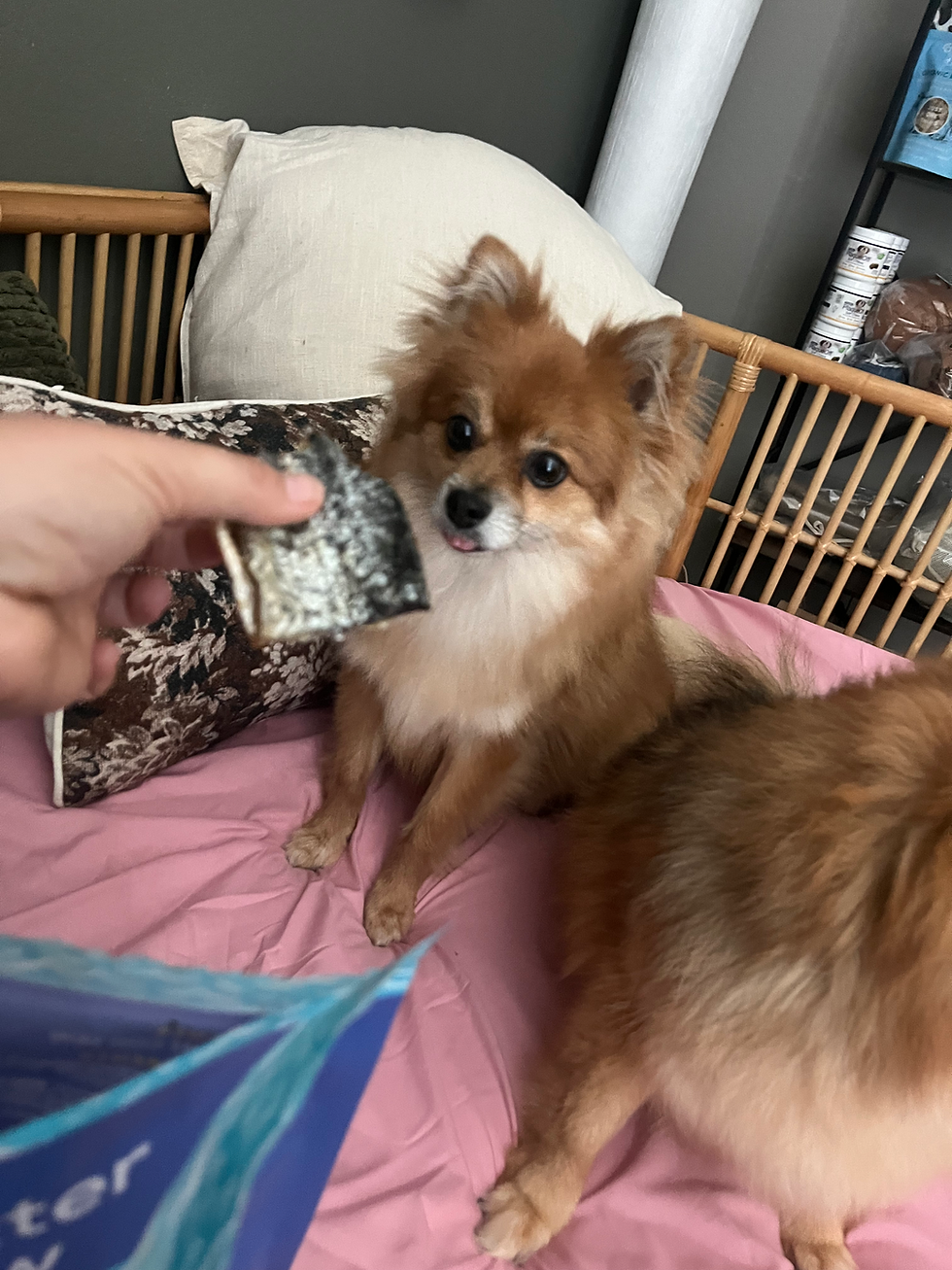
Dog jerky treats have long been popular among pet owners as a tasty reward for good behavior or a simple snack. However, recent warnings from the FDA’s Animal and Veterinary division highlight serious health risks linked to these treats. Understanding these risks is crucial for every dog owner who wants to keep their furry friend safe and healthy.

The FDA Warning and What It Means
The FDA has issued cautionary advice urging pet owners to avoid dog jerky treats entirely. This warning comes after numerous reports of illnesses and even deaths linked to these products. The exact cause of these health issues remains unclear, but the FDA continues to investigate potential contaminants or harmful substances in the treats.
Pet owners should take this warning seriously because the health problems associated with jerky treats can be severe. Symptoms reported include vomiting, diarrhea, decreased appetite, increased thirst, and kidney failure. These symptoms can develop quickly and may require immediate veterinary care.
Why Are Dog Jerky Treats Risky?
Dog jerky treats are often made from chicken, duck, or sweet potatoes, and many come from overseas manufacturers. The production processes and ingredient sourcing can vary widely, which may lead to contamination or the presence of harmful substances.
Some possible reasons for the risks include:
Contamination during processing: Poor hygiene or unsafe manufacturing practices can introduce bacteria or toxins.
Chemical residues: Some treats may contain pesticides, antibiotics, or other chemicals not safe for dogs.
Unknown additives: Ingredients not listed on the label might cause allergic reactions or toxicity.
Lack of regulation: Many jerky treats are imported and may not meet the same safety standards as domestic products.
Because of these factors, even treats that look safe and are marketed as natural can pose hidden dangers.
Signs Your Dog May Be Affected
If your dog has eaten jerky treats recently, watch for these warning signs:
Vomiting or diarrhea that lasts more than a day
Loss of appetite or refusal to eat
Excessive thirst or urination
Lethargy or weakness
Pale gums or unusual behavior
If you notice any of these symptoms, contact your veterinarian immediately. Early intervention can make a significant difference in your dog’s recovery.
Safer Alternatives to Jerky Treats
You don’t have to give up rewarding your dog. There are many safe and healthy alternatives to jerky treats:
Fresh vegetables: Carrot sticks, green beans, or cucumber slices make crunchy, low-calorie snacks.
Commercial treats with transparent sourcing: Look for brands that provide clear ingredient lists and have good safety records.
Homemade treats: Baking simple treats at home lets you control the ingredients and avoid harmful additives.
Freeze-dried meat treats: These often undergo safer processing and come from trusted sources.
Always introduce new treats gradually and monitor your dog’s reaction.
How to Choose Treats Wisely
When selecting treats, keep these tips in mind:
Check for recalls or safety alerts related to the product.
Buy from reputable brands with transparent ingredient sourcing.
Avoid treats made in countries with less strict food safety regulations.
Read labels carefully for any unfamiliar or suspicious ingredients.
Consult your veterinarian for recommendations tailored to your dog’s health needs.
What to Do If You’ve Used Jerky Treats
If your dog has consumed jerky treats, don’t panic but stay alert. Keep an eye on their health and behavior for at least a week. If you see any signs of illness, seek veterinary care immediately.
You can also report any adverse reactions to the FDA’s Safety Reporting Portal. This helps authorities track problems and improve safety standards.

Comments